
Every curriculum talks about literacy and numeracy. Few talk about what actually shapes a child’s life. The silent lessons. The unwritten rules. The things students absorb simply by being in the system. These lessons influence confidence, creativity and career choices far more than any textbook ever will.
Here are the top five invisible teachings that show up in every school, no matter the board or location.
1. Competition as a Survival Skill
Students learn early that marks are currency and comparison is the norm. Even when teachers build collaborative spaces, peers still measure themselves against one another. This creates drive but also quiet anxiety. Healthy competition builds resilience. Excessive competition builds fear of failure. The balance decides how a child grows.
2. Compliance Over Curiosity
Schools love order. Students learn to sit straight, follow rules, finish tasks in a specific way and fit into a timetable. This trains discipline but can also shrink curiosity. Children quickly understand that doing things the acceptable way gets praise while experimenting often gets pushed aside. This shapes how they take risks later in life.
3. Asking for Permission Before Taking Initiative
From bathroom breaks to clarifying doubts, students learn that permission comes before action. This builds respect but quietly chips away at natural leadership. By the time they reach adulthood, many wait for approval even when they have full capacity to decide. Relearning initiative takes time.
4. The Art of Social Navigation
No textbook teaches how to make friends, set boundaries or manage group dynamics. Yet students learn these skills on the playground every single day. They understand who holds influence, how to negotiate and how to read behaviour. These are the foundations of emotional intelligence. They often matter more than grades during working life.
5. Mistakes Equal Punishment, Not Growth
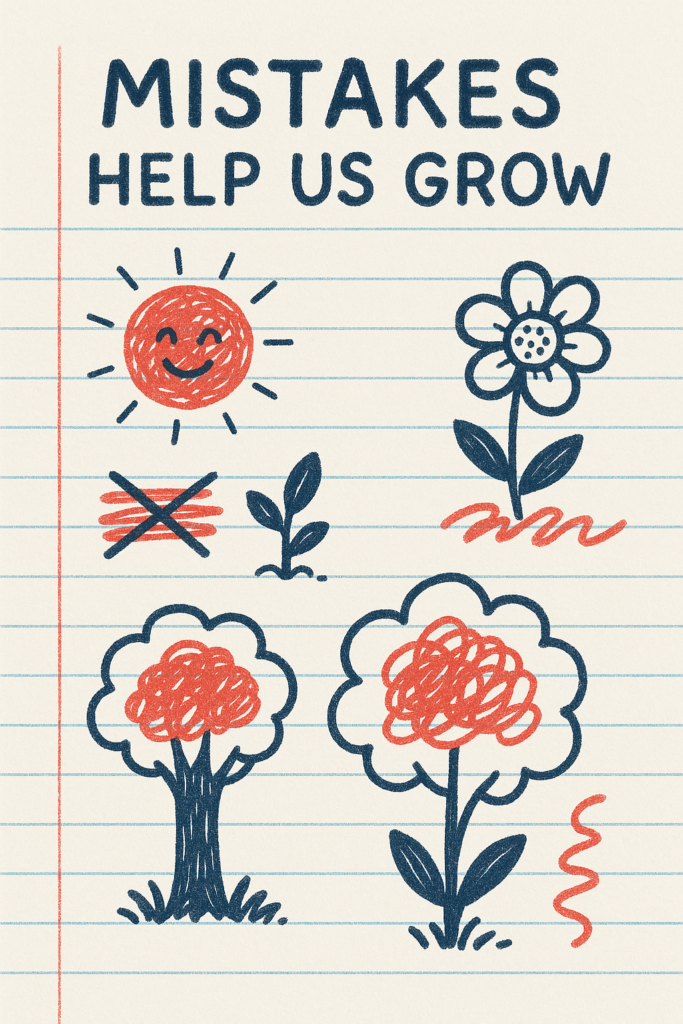
Many students learn that mistakes bring consequences. Red marks, scolding or public correction. This creates perfection driven thinking and fear of experimentation. When classrooms treat mistakes as learning signals, students grow confident and self driven. When mistakes feel risky, they learn to play small.
Why These Unwritten Lessons Matter
These lessons shape identity and behaviour long before careers begin. If educators, parents and curriculum designers acknowledge them, we can build learning environments that support confidence, autonomy and curiosity. Schools are not only teaching content. They are shaping human beings.
This is a call for more conscious learning spaces. Students deserve an education that values voice, courage and creativity as much as marks and milestones.
Leave a Reply